
Mold testing plays a vital role in ensuring the safety and health of your living environment. Mold, a type of fungus, thrives in damp and humid conditions. While many forms of mold are harmless, others can pose serious health risks or cause structural damage to your property. Understanding the importance of mold testing helps homeowners prevent potential hazards while maintaining a safe indoor space.
Protecting Your Health
– Respiratory issues such as wheezing, coughing, or shortness of breath
– Allergic reactions like sneezing, skin rashes, or itchy eyes
– Chronic sinus infections or inflammation
– Aggravation of asthma symptoms
By identifying harmful mold species—such as Stachybotrys chartarum(also known as black mold)—you can take immediate action to mitigate health concerns effectively.
Preventing Structural Damage
Beyond health implications, untreated mold growth can compromise the integrity of your home’s structure over time. Mold is often found on building materials like drywall, wood surfaces, or carpeting that provide it with organic matter to feed on.
– Walls and ceilings may weaken due to prolonged exposure to moisture and mold infestation
– Flooring materials like carpet may deteriorate prematurely due to trapped spores beneath them
– Damage repair costs increase significantly when left unaddressed
Testing proactively allows homeowners to identify areas where moisture accumulation fosters mold growth before it becomes a more extensive issue.
When Should You Test for Mold?
There are certain circumstances when hiring professionals for mold testing is highly recommended:
1.After Water Damage: Following flooding or leaks, testing ensures no lingering moisture has enabled hidden mold growth.
2.Buying or Selling Property: Real estate transactions require thorough inspections to ensure properties meet safety standards without hidden hazards like mold infestations.
3.Unexplained Health Symptoms: If household members experience persistent respiratory issues without clear cause, it could be linked to hidden indoor molds affecting air quality.
4.Visible Signs or Odors: If you notice discoloration on walls or detect musty odors that don’t dissipate despite cleaning efforts.
Mold Testing Methods
| Test Type | Description | Suitable For |
| Air Quality Testing | Measures airborne spore concentration levels using specialized equipment | Identifying hidden molds not visible visually |
| Surface Sampling | Examines swabbed material directly collected from suspected visible patches | Confirming active fungal colonies locations |
| Bulk Material Analysis | Involves removing physical samples e.g., drywall pieces analyzed further laboratory basis |
Identifying the Need for Lakeland, FL Mold Removal in Your Home
Mold growth can be a hidden problem in many homes, often going undetected until it has caused significant damage or health concerns. Being able to identify the common signs of mold early on can help you address the issue promptly and minimize risks.
Understanding Mold Remediation Lakeland, FL: Key Visual Indicators
- Discoloration on Surfaces: One of the most apparent signs of mold is discoloration on walls, ceilings, or floors. It could appear as black, green, white, or even orange patches.
- Peeling Paint or Wallpaper: Mold behind walls can cause paint to bubble or peel. It is often accompanied by visible stains.
- Visible Fungal Growth: Sometimes mold appears as fuzzy or slimy growths in damp areas like bathrooms, basements, or kitchens.
Effective Mold Testing Lakeland, FL: Say Goodbye to Persistent Odors
A strong musty smell is often a result of mold infestation. This odor may persist even after cleaning and is especially noticeable in areas with poor ventilation. If you notice such an odor coming from walls, carpets, or furniture without a clear source, mold may be present.
Expert Lakeland Mold Removal Services for Water Damage and Leaks
Mold thrives in environments with high moisture levels.Water Stains: Yellowish-brown stains on ceilings and walls could indicate water damage leading to mold formation.
– Leaky Pipes: Plumbing leaks under sinks or behind walls create ideal conditions for mold to grow unnoticed.Condensation Buildup: Windows and glass doors with excessive condensation can promote surface mold.
| Source of Moisture | Likelihood of Mold Growth |
| Roof leaks | High |
| Burst pipes | Very high |
| Poor ventilation | Moderate |
Health Symptoms Linked to Mold Exposure
Mold exposure impacts indoor air quality and can trigger various health issues: – Respiratory problems such as coughing or wheezing. – Allergic reactions like itchy eyes, sneezing, and skin irritation. – Aggravation of asthma symptoms in sensitive individuals.
If multiple members of your household experience these symptoms while indoors but improve when away from home, it could signal hidden mold growth.
Hidden Areas Prone to Mold
Not all mold is visible; some may grow undetected in less obvious places: – Behind drywall – Beneath carpets and rugs
– Inside HVAC systems
– In attics and crawl spaces
Routine inspections of these areas are recommended if there have been past water incidents.
Proactive Steps for Homeowners
To reduce the likelihood of severe infestations: 1. Address leaks immediately. 2. Ensure proper ventilation in moisture-prone zones like bathrooms. 3. Use dehumidifiers to maintain indoor humidity below 50%.
4. Regularly clean areas prone to dampness with appropriate products that inhibit fungal growth.
By recognizing these common signs early on, homeowners can take prompt action to manage mold-related issues effectively while protecting their living environment from further damage.
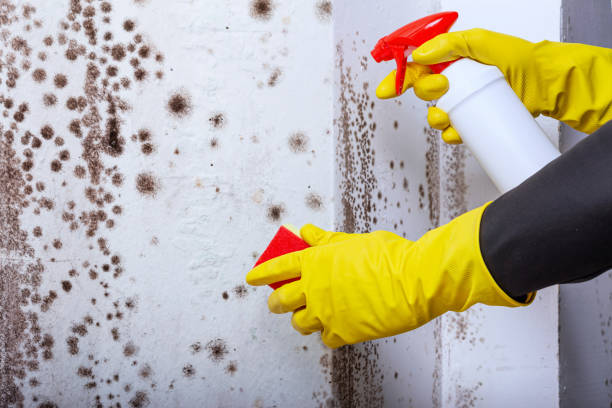
How Mold Testing Improves Indoor Air Quality and Health
Mold testing plays a vital role in maintaining a safe and healthy living environment. Not only does it help identify the presence of harmful mold species, but it also provides valuable insights into the overall indoor air quality of your home. Poor air quality caused by mold can lead to significant health issues, particularly for individuals with allergies, asthma, or weakened immune systems. By understanding how mold testing improves air quality and overall health, you can take proactive steps to protect yourself and your family.
The Connection Between Mold and Indoor Air Quality
The presence of mold in your home can significantly affect indoor air quality. When mold grows, it releases microscopic spores into the air. These spores can spread quickly throughout your home via HVAC systems or natural airflow. Once inhaled, they may cause respiratory issues and other health problems.
Key ways mold negatively impacts indoor air quality include:
– Release of allergens:Mold produces allergens that can trigger allergic reactions such as sneezing, itchy eyes, or skin rashes.Volatile organic compounds (VOCs):Certain types of molds emit VOCs that contribute to poor indoor air quality and create musty odors.Toxic mycotoxins:Some molds produce harmful substances called mycotoxins that may pose serious health risks when inhaled over time.
Benefits of Mold Testing for Your Health
Conducting mold testing is an essential step in identifying whether your indoor environment is contributing to potential health hazards.
- Mold testing helps identify hidden areas where spores might thrive (e. g. , inside walls or under carpets). Early detection allows homeowners to address the issue before significant damage occurs.
- By confirming the presence of airborne molds and allergens, you can take action to reduce exposure and improve respiratory well-being.
- Testing identifies specific mold strains present in your home so targeted remediation efforts can alleviate ongoing allergy symptoms.
- Prolonged exposure to toxic molds like Stachybotrys chartarum(black mold) increases risks for chronic respiratory illnesses or neurological conditions over time. Testing ensures timely intervention.
When Should You Consider Mold Testing?
Identifying when to conduct mold testing is crucial for maintaining a healthy home environment:
– After water damage or flooding incidents
– If you notice persistent musty odors despite regular cleaning
– When experiencing unexplained health issues like constant coughing or headaches indoors
– Prior to purchasing a new property (to ensure no hidden contamination)
Effective Steps After Mold Testing
| Step | Action | Description |
| 1 | Hire Professionals | Engage certified mold remediation experts if high levels are detected. |
| 2 | Address Moisture Issues | Fix leaks in roofs, pipes or windows causing dampness. |
| 3 | Improve Ventilation | Install ventilation systems ensuring proper airflow throughout. |
| 4 | Use Dehumidifiers | Maintain humidity levels below 60% indoors. |
By addressing these key areas post-testing results effectively mitigate future growth possibilities while enhancing healthier breathing conditions within enclosed spaces indoors consistently over time .
Comprehensive Guide to Identifying Different Mold Species in Your Space
Identifying the presence and type of mold in your living or working space is critical for addressing potential health concerns and structural damage. Mold comes in various forms, and each species may require a different approach for effective removal. This guide provides essential insights into recognizing and distinguishing different mold species to better understand their impact.
Why Identifying Mold Species is Important
- Health Risks: Some molds, such as Stachybotrys chartarum(commonly known as black mold), produce mycotoxins that can lead to serious respiratory issues and allergic reactions.
- Targeted Removal: Knowing the specific type of mold helps professionals determine the best cleaning methods and products for safe removal.
- Preventing Recurrence: Certain species thrive under specific conditions. Identifying the type of mold can help prevent it from returning by addressing the root causes.
Common Mold Species Found Indoors
| Mold Species | Appearance | Common Locations | Health Risks |
| Aspergillus | White, yellow, or green with powdery texture | Damp walls, insulation, HVAC systems | Allergies, respiratory issues |
| Cladosporium | Black or olive-green with a suede-like texture | Bathrooms, carpets, wood surfaces | Skin irritation, asthma attacks |
| Penicillium | Blue or green with a velvety appearance | Water-damaged materials like wallpaper or furniture | Allergies |
| Stachybotrys chartarum | Black with a slimy texture | Areas prone to constant moisture such as basements | Severe respiratory symptoms |
How to Identify Mold Types
- Look for discoloration on walls, ceilings, floors, and furniture.
- Check hidden areas such as behind appliances or under carpets.
- Some molds have distinct textures such as slimy (e. g. , black mold) or powdery (e. g. , aspergillus). Avoid touching them directly; use gloves if necessary.
- Molds often emit musty odors. Persistent unpleasant smells could indicate hidden growth.
- Conducting air quality tests or surface sampling through certified professionals provides definitive identification of mold species.
Factors That Encourage Specific Types of Mold Growth
- Humidity Levels Above 60%: Favorable for all molds but especially for Penicillium. Use dehumidifiers if needed.
- Poor Ventilation: Stagnant air allows spores like Cladosporiumto settle and grow on surfaces.
- Water Damage: Leaks and flooding create perfect conditions for water-loving varieties like Stachybotrys chartarum.
When to Seek Professional Help
While DIY methods may work for small-scale surface mold removal (e.g., bathroom tiles), larger infestations demand professional expertise due to health risks posed by certain species.
Identifying different types of molds goes beyond visual inspection; it requires understanding their unique traits along with creating an environment less conducive to their growth. Taking these steps ensures safer living spaces while protecting your family’s well-being.
The Importance of Mold Inspection Before Conducting Any Testing
When dealing with potential mold problems in your home or workspace, it is critical to conduct a thorough mold inspection before performing any testing. This step ensures a targeted and efficient approach to identifying and addressing mold-related issues. Below, we’ll explore why mold inspection is a vital preliminary measure, what it entails, and how to execute it effectively.
Why Mold Inspection Should Come First
A mold inspection allows you to locate visible growth, identify problem areas, and assess the severity of contamination before committing to costly or unnecessary testing.
- Prevention of Unnecessary Testing Costs: Comprehensive inspections can determine if testing is needed at all. In some cases, visible mold can be directly addressed without additional laboratory analysis.
- Targeted Testing: By narrowing down areas where mold might be present, inspections help ensure that testing focuses on the right spots rather than broadly searching the entire property.
- Health Prioritization: Identifying active colonies early during an inspection reduces exposure risks for occupants by enabling immediate remediation planning.
What Happens During a Mold Inspection?
A professional mold inspector follows a meticulous process to evaluate your space for possible contamination.
- Inspectors look for visible signs of mold growth on walls, ceilings, floors, and furniture.
- Common areas like basements, bathrooms, and kitchens receive extra scrutiny due to higher moisture levels.
- Specialized tools like moisture meters are used to detect dampness in materials that may not yet show visible damage.
- High humidity areas are flagged as potential breeding grounds for future growth.
- Musty odors are often indicative of hidden mold colonies.
- Inspections focus on pinpointing these sources to guide further action.
- Structural features such as roofing systems, plumbing pipes, and HVAC units are examined for leaks or condensation issues contributing to microbial development.
- Inspectors provide detailed reports outlining their findings along with photographic evidence where applicable.
Benefits of Professional Mold Inspections
| Feature | DIY Inspection | Professional Inspection |
| Tools Used | Flashlights & basic tools | Moisture meters & infrared cameras |
| Expertise | Limited | Extensive knowledge on molds & building systems |
| Accuracy | Moderate | High – thorough identification of hidden sources |
| Time Required | May take longer | Efficiently conducted by experts |
Key Points to Remember Before Testing
- Ensure all visible water damage has been addressed during the inspection phase.
- Focus on repairing leaks or improving ventilation in problem-prone areas identified during the assessment.
- Discuss next steps with your inspector regarding specific types of tests (e. g. , air sampling vs surface sampling) based on initial findings.
By prioritizing an effective inspection process before initiating any testing strategies, property owners set the foundation for safer living environments while streamlining remediation efforts when necessary.
- Understanding Why a Certified Mold Removal Company Lakeland, FL Is Crucial for Your Health and Property
- Finding the Right Mold Remediation Lakeland, FL Company for Your Needs
- Finding the Best Mold Removal Company Lakeland, FL for a Safe Living Environment
- Effective Tips for Lakeland, FL Mold Removal and Prevention in Your Home
- Comprehensive Guide to Lakeland, FL Mold Removal: From Start to Finish
- Finding the Best Lakeland, FL Mold Removal Services for Your Needs