Mold Removal Company

Mold Removal Company

Finding the Right Mold Remediation Lakeland, FL Company for Your Needs

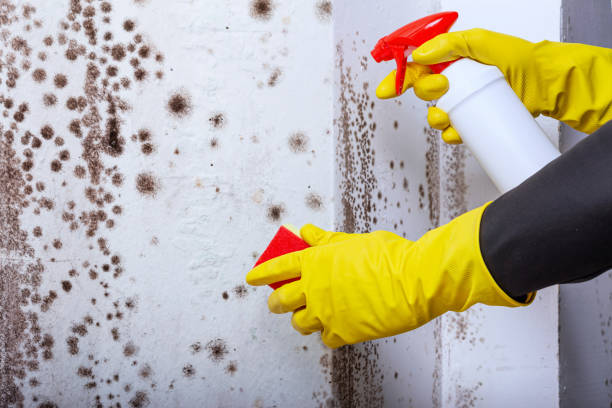
Man with protective mask and yellow safety helmet tries to remove mold on wall with sponge and cleaning agent stock photo

Mold remediation is an essential service for homeowners and property managers dealing with mold infestations. Here is a guide to help you evaluate and select the best company for your specific needs.

A professional mold remediation company should be certified and licensed to perform mold-related services in your region.
IICRC (Institute of Inspection Cleaning and Restoration Certification):For standards in cleaning, restoration, and inspection.
NAMP (National Association of Mold Professionals):Specialized training in mold remediation practices.

Experience plays a critical role in effective mold remediation. Companies that have been in the business for several years are more likely to have encountered a range of situations, making them better equipped to handle complex cases.

Ask:
– How many years have they been offering mold remediation services?
– Do they specialize in residential or commercial properties?


– The extent of the mold problem (e. g. , surface-level growth vs deep infiltration).
– Areas affected by moisture or water damage contributing to the issue.

Ensure they use advanced tools like moisture meters and air quality testing equipment during inspections.

Ask about their approach to removing mold safely while preventing future growth.

Step Description Why It Matters
Containment Isolating affected areas using barriers like plastic sheeting Prevents spreading spores to other rooms
Removal Physically removing contaminated materials like drywall or carpeting when necessary Ensures complete elimination of hidden sources
Cleaning & Sanitization Using EPA-approved cleaning agents on surfaces after removal Destroys spores left behind on surfaces

Avoid companies that rely solely on spraying chemicals without addressing root causes like moisture control.

Ensure that the contractor has liability insurance and workers’ compensation coverage in place:
– Liability insurance protects you if accidental damages occur during work on your property.
– Workers’ compensation covers employees working at your home so you’re not liable for any injuries sustained during the process.

Online reviews can provide insights into customer satisfaction levels regarding quality, timeliness, pricing transparency, etc.
– Check platforms such as Google Reviews or Yelp. – Request references from past clients who had similar issues resolved successfully by them.

Pay attention specifically if complaints mention incomplete jobs or recurring issues because these could signal red flags about execution effectiveness long-term reliability afterward. .

Price transparency matters—compare quotes ensuring upfront clarity without surprise fees later hidden etc…

Comprehensive Guide to Lakeland, FL Mold Removal and Mycotoxin Testing

Understanding the connection between mold and mycotoxins is key when considering mold testing. This section will outline what you need to know about these harmful substances, how they are detected, and why accurate testing is essential for maintaining a safe environment.

Understanding Mold and Mycotoxins: The Importance of Mold Testing Lakeland, FL

  • Mycotoxins: Toxic compounds produced by certain types of molds. These substances can have significant health impacts when inhaled, ingested, or absorbed through the skin.

Common types of mold that produce mycotoxins include:
Aspergillus
Stachybotrys chartarum (often referred to as “black mold”)
Penicillium

Exposure to these molds can lead to respiratory issues, allergic reactions, or more severe conditions such as neurological problems in sensitive individuals.

Understanding the Importance of Lakeland Mold Removal Services

Testing for mold goes beyond identifying visible growth; it helps detect hidden infestations as well as airborne spores and toxins.

  1. Health Protection– Identifying toxic molds like black mold ensures swift action to prevent adverse health effects.
  2. Preventing Structural Damage– Early detection helps minimize damage to walls, ceilings, flooring, and other structural components.
  3. Compliance with Safety Standards– In commercial properties or rental units, regular testing may be required for compliance with local regulations.
  4. Long-term Prevention– Testing provides insight into environmental conditions that promote growth so you can take proactive measures.

Types of Mold Testing

Test Type Purpose Examples
Air Sampling Measures airborne spore levels Useful for detecting hidden mold behind walls or ceilings
Surface Sampling Checks visible surfaces for signs Tape lift or swab tests
Bulk Sampling Analyzes materials like drywall Identifies specific species present in structural elements

Key Indicators That Testing May Be Necessary

  • Persistent musty odors
  • Visible discoloration on walls or furniture (greenish-black spots)
  • Recurring respiratory symptoms after spending time indoors
  • High indoor humidity levels (>60%)
  • Evidence of water damage from leaks or flooding

If any of these indicators arise, addressing them promptly with effective testing solutions is crucial.

Professional vs DIY Mold Tests

DIY Kits:

Pros: Affordable; simple tools for basic detection. Cons: Limited accuracy; may not detect all strains effectively.

Professional Services:

Pros: Comprehensive analysis by certified experts; detailed reports on mycotoxin presence. Cons: Higher initial cost compared to DIY solutions.

For high-risk areas like basements prone to flooding or homes with vulnerable occupants (e. g. , children), investing in professional services is often worth the cost.

By understanding the relationship between mold and mycotoxins—and relying on proper testing methods—you ensure a healthier living space while preventing costly damage over time.

Steps to Effective Flood Recovery and Preventing Mold Growth

Flood recovery is a critical process that goes beyond simply removing water. Without proper measures, lingering moisture can lead to mold growth, creating health risks and structural damage. Below are actionable steps to effectively manage flood recovery while minimizing the risk of mold development.

  • Turn off electricity in affected areas to prevent electrical hazards.
  • Avoid entering areas with structural instability or contamination from sewage or chemicals.

Standing water provides an ideal environment for mold growth within 24–48 hours.

  • Pumps or Wet/Dry Vacuums: Utilize submersible pumps for large volumes of water or wet/dry vacuums for smaller areas.
  • Mops and Towels: For minor flooding, absorb remaining moisture manually with absorbent materials.
Drying Methods Description
Fans and Dehumidifiers Use industrial-grade fans and dehumidifiers to expedite drying time.
Open Windows/Doors Allow natural airflow if weather permits; avoid humid conditions outdoors.
Remove Wet Materials Discard items like carpets, drywall, insulation, or furniture that cannot dry completely within 48 hours.

Pro tip: Focus on hard-to-reach areas like wall cavities or flooring crevices using specialized equipment.

  • Mix water with detergent or bleach (one cup bleach per gallon of water) where needed.
  • Clean porous surfaces (e. g. , wood) carefully but avoid over-saturation.
  • Disinfect non-porous surfaces with EPA-approved antimicrobial cleaners.

Avoid cross-contamination by discarding cleaning cloths after use in affected areas.

Even after taking precautions, mold may still develop due to hidden moisture pockets.

  • Identify early signs like musty odors or discoloration on walls/floors.
  • Use a digital hygrometer to measure indoor humidity levels—ideally below 50%.
  • If suspected growth occurs, hire certified professionals for testing.
  1. Install sump pumps in basements prone to flooding.
  2. Seal cracks in foundations that allow water seepage.
  3. Ensure gutters are clean and direct rainwater away from your home.
  4. Regularly inspect plumbing systems for leaks.
  5. Invest in a high-capacity dehumidifier in humid climates.

By following these steps carefully, you can mitigate both the immediate impact of a flood and long-term complications associated with mold growth while maintaining a safe indoor environment moving forward.

Key Features to Look For in Professional Mold Testing Services

When dealing with potential mold issues, selecting a professional mold testing service is a critical step to ensure accurate results and effective remediation. Not all services are created equal, so understanding the key features that set a high-quality provider apart can help you make an informed decision.

Certified and Trained Professionals

One of the most important aspects of a reliable mold testing service is the qualification of its team.
Certified:Check for credentials such as certifications from the American Industrial Hygiene Association (AIHA) or National Organization of Remediators and Mold Inspectors (NORMI).
Trained in Current Practices:Knowledgeable experts should stay updated on the latest industry standards and testing protocols.

Comprehensive Inspection Process


1.Visual Assessment:Identification of visible mold growth or water damage. 2.Moisture Mapping:Use of tools like moisture meters or infrared cameras to detect damp areas. 3.Air Sampling:Collection of air samples to analyze spore concentrations. 4.Surface Sampling:Testing materials such as drywall, wood, or fabric for direct contamination.

These procedures ensure that no area of concern is overlooked and provide an accurate picture of the mold problem’s scope.

Use of Advanced Testing Equipment

High-quality services invest in modern technology to deliver precise results.
– Hygrometers for measuring humidity levels. – Air pumps for collecting samples efficiently. – Laboratory-grade swabs for surface testing. – Thermal imaging devices to identify hidden leaks or moisture buildup.

Equipment Type Traditional Tools Advanced Tools
Moisture Detection Manual Probes Infrared Thermal Cameras
Air Quality Analysis Basic Spore Counting High-Efficiency Particle Collectors
Surface Contamination Tests Basic Swab Kits Lab-Grade Microbial Cultures

Choosing companies with state-of-the-art tools ensures precise diagnosis and more effective solutions.
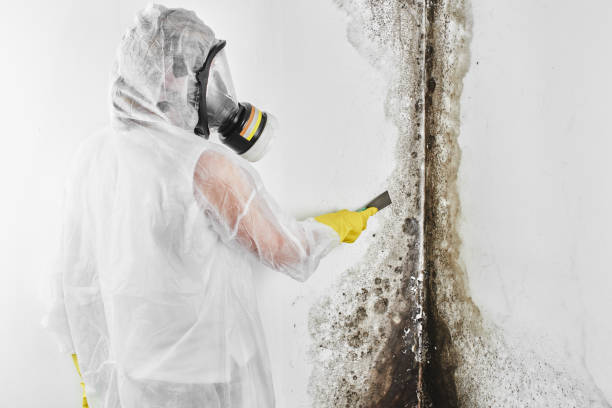
A professional disinfector in overalls processes the walls from mold with a spatula. Removal of black fungus in the apartment and house. Aspergillus. stock photo

Clear and Detailed Reporting

Results from mold testing should be presented in a thorough report that includes:
– The types and concentrations of mold found (e. g. , Aspergillus, Stachybotrys).
– Specific areas affected by mold growth. – Potential health risks associated with the findings. – Recommended steps for remediation or further action.

This transparency allows homeowners or building managers to take informed action quickly.

Adherence to Industry Standards

Professional companies should follow established guidelines such as those outlined by:
– U. S. Environmental Protection Agency (EPA).
– Occupational Safety and Health Administration (OSHA).

Adherence to these standards ensures safe practices during sample collection, analysis, and reporting.

Customer Support and Education

Reputable providers don’t just offer testing—they educate clients on prevention strategies and ongoing maintenance needs to avoid future occurrences. Look for services that offer additional support such as post-remediation verification tests or follow-up consultations.

By evaluating these features carefully, you can select a professional service that meets your needs while ensuring accuracy, safety, and peace of mind throughout the process.

Finding the Best Mold Removal Company Lakeland, FL for Accurate Testing Solutions

Connecting with the right experts for mold testing is a critical step in ensuring the health and safety of your property. Below are some key considerations and actionable steps to help you connect with qualified professionals for accurate mold testing solutions.

Why Professional Expertise Matters

Professionals in mold testing bring specialized tools, knowledge, and experience to identify hidden mold issues that may be overlooked by untrained individuals.

  • Identify specific types of mold, including toxic varieties such as Stachybotrys chartarum (black mold).
  • Assess air quality to detect potential mycotoxins or invisible spores.
  • Provide accurate reports essential for remediation planning or legal purposes.
  • Help prevent unnecessary repairs by distinguishing between harmful molds and benign ones.

Attempting DIY approaches for mold detection often leads to incomplete results, making professional input a valuable investment.

Steps to Find the Right Mold Testing Experts

  1. Look for certifications such as those from the American Council for Accredited Certification (ACAC) or National Organization of Remediators and Mold Inspectors (NORMI).
  2. Verify that the expert has experience with both residential and commercial properties if applicable.
  3. Read online reviews on trusted platforms like Google or Better Business Bureau (BBB).
  4. Request references from past clients who had similar concerns resolved successfully.
  5. Understand Their Testing Methods
    Ensure they use reliable methods such as:
  6. Air sampling using spore traps.
  7. Surface sampling through swab tests or tape lifts.
  8. Bulk material analysis from suspected areas.
  9. Ask About Lab Partnerships
    Reputable experts often work with certified laboratories to analyze collected samples, providing detailed reports on mold type and concentration levels.
  10. Discuss Reporting Practices
    A thorough report should include:
  11. Identified types of molds.
  12. Source(s) contributing to growth.
  13. Actionable recommendations tailored specifically to your situation.
  14. Inquire About Insurance Coverage
    Professionals should carry liability insurance to cover potential damages during their inspection process.

Questions To Ask Before Hiring Experts

  • Are you certified through recognized organizations within the industry?
  • Do you perform independent testing or also offer remediation services? (Independent testers are usually preferred due to conflict-of-interest concerns.
  • What is your approach when dealing with hard-to-access areas?
  • How soon can I expect results from your analysis?

Red Flags To Avoid

Be cautious when dealing with companies that:
– Offer extremely low rates — this could indicate subpar equipment or lack of qualifications. – Guarantee “complete removal” without presenting a clear remediation plan backed by test results. – Pressure you into starting immediate remediation without allowing time for second opinions or analysis.

Criteria Preferred Option Red Flag
Certifications ACAC/NORMI Unverified credentials
Testing Independence Separate from remediation services Bundled services creating conflict of interest
Reporting Practices Detailed & transparent Vague summaries without actionable steps

Building Long-Term Partnerships

  • Regular air quality checks post-remediation help ensure no regrowth occurs.
  • Periodic inspections prevent future infestations in high-risk locations like basements, crawlspaces, or poorly ventilated areas.

Connecting with skilled professionals ensures accurate detection while setting a strong foundation for effective prevention strategies moving forward.

Essential Tips for Sharing Accurate Information About Mold Testing

Accurate information about mold testing is crucial to ensure people make informed decisions when dealing with potential mold issues. Whether you’re a homeowner, tenant, or professional in the field, sharing reliable and well-structured information can help others understand when and why mold testing is necessary. This section provides essential tips for effectively disseminating accurate details about mold testing.

Know Your Audience

  • Homeowners:Focus on basic explanations of what mold is, how it can affect health, and why testing is important.
  • Businesses or Landlords:Emphasize legal responsibilities, health implications for occupants, and the advantages of professional intervention.
  • Healthcare Professionals:Provide information on how mold exposure can exacerbate respiratory issues or other medical conditions.

Understanding your audience allows you to present relevant facts without overwhelming them with unnecessary technical details.

Rely on Credible Sources

Accuracy begins with using credible sources. Misleading or outdated information can cause unnecessary panic or improper handling of mold issues.

  • Environmental Protection Agency (EPA)
  • Centers for Disease Control and Prevention (CDC)
  • Local health departments
  • Peer-reviewed scientific journals
  • Certified professional organizations like the Indoor Air Quality Association (IAQA)

Always fact-check any data before sharing it and provide clear citations.

Highlight Key Information

  1. Health Risks: Explain how exposure to molds like Stachybotrys chartarum(black mold) or mycotoxins may contribute to allergies and respiratory problems.
  2. When to Test: Highlight scenarios where testing is advisable:
  3. After water damage or flooding
  4. Unexplained allergies in occupants
  5. Visible signs of growth
  6. Professional Testing Methods:Briefly outline common approaches like air sampling, surface swabs, or bulk material analysis.

Use tools such as checklists, infographics, or tables when summarizing these points.

Scenario Recommended Action
Recent water damage Conduct immediate assessment
Musty odors Schedule a professional test
Health symptoms in occupants Consult healthcare + test home

Address Common Misconceptions

  1. Mold only grows in dirty homes – False: Mold thrives where moisture exists regardless of cleanliness.
  2. Bleach kills all molds – Misleading: While bleach may clean visible growth on nonporous surfaces, it does not address hidden spores.
  3. Testing isn’t necessary if you see mold – Partially true: While visible growth confirms its presence, tests are often required to identify extent and species.

Provide evidence-based clarifications that empower readers to make sound decisions.

Encourage Professional Guidance

Finally, advocate for consulting certified professionals when needed. Explain that DIY kits may provide limited results compared to services from accredited labs or certified inspectors who follow established protocols like those outlined by the American Industrial Hygiene Association (AIHA).

Provide links or contacts for local experts as resources for those needing more specialized assistance.

By following these tips, you’ll ensure that the information shared about mold testing remains clear, actionable, and rooted in factual evidence while addressing diverse audience needs effectively.


Mold Removal Company

Finding the Best Mold Removal Company Lakeland, FL for a Safe Living Environment

Home Mold Remediation stock photo

Mold testing plays a vital role in ensuring the safety and health of your living environment. Mold, a type of fungus, thrives in damp and humid conditions. While many forms of mold are harmless, others can pose serious health risks or cause structural damage to your property. Understanding the importance of mold testing helps homeowners prevent potential hazards while maintaining a safe indoor space.

Protecting Your Health


– Respiratory issues such as wheezing, coughing, or shortness of breath
– Allergic reactions like sneezing, skin rashes, or itchy eyes
– Chronic sinus infections or inflammation
– Aggravation of asthma symptoms

By identifying harmful mold species—such as Stachybotrys chartarum(also known as black mold)—you can take immediate action to mitigate health concerns effectively.

Preventing Structural Damage

Beyond health implications, untreated mold growth can compromise the integrity of your home’s structure over time. Mold is often found on building materials like drywall, wood surfaces, or carpeting that provide it with organic matter to feed on.
– Walls and ceilings may weaken due to prolonged exposure to moisture and mold infestation
– Flooring materials like carpet may deteriorate prematurely due to trapped spores beneath them
– Damage repair costs increase significantly when left unaddressed

Testing proactively allows homeowners to identify areas where moisture accumulation fosters mold growth before it becomes a more extensive issue.

When Should You Test for Mold?

There are certain circumstances when hiring professionals for mold testing is highly recommended:
1.After Water Damage: Following flooding or leaks, testing ensures no lingering moisture has enabled hidden mold growth.
2.Buying or Selling Property: Real estate transactions require thorough inspections to ensure properties meet safety standards without hidden hazards like mold infestations.
3.Unexplained Health Symptoms: If household members experience persistent respiratory issues without clear cause, it could be linked to hidden indoor molds affecting air quality.
4.Visible Signs or Odors: If you notice discoloration on walls or detect musty odors that don’t dissipate despite cleaning efforts.

Mold Testing Methods

Test Type Description Suitable For
Air Quality Testing Measures airborne spore concentration levels using specialized equipment Identifying hidden molds not visible visually
Surface Sampling Examines swabbed material directly collected from suspected visible patches Confirming active fungal colonies locations
Bulk Material Analysis Involves removing physical samples e.g., drywall pieces analyzed further laboratory basis  

Identifying the Need for Lakeland, FL Mold Removal in Your Home

Mold growth can be a hidden problem in many homes, often going undetected until it has caused significant damage or health concerns. Being able to identify the common signs of mold early on can help you address the issue promptly and minimize risks.

Understanding Mold Remediation Lakeland, FL: Key Visual Indicators

  • Discoloration on Surfaces: One of the most apparent signs of mold is discoloration on walls, ceilings, or floors. It could appear as black, green, white, or even orange patches.
  • Peeling Paint or Wallpaper: Mold behind walls can cause paint to bubble or peel. It is often accompanied by visible stains.
  • Visible Fungal Growth: Sometimes mold appears as fuzzy or slimy growths in damp areas like bathrooms, basements, or kitchens.

Effective Mold Testing Lakeland, FL: Say Goodbye to Persistent Odors

A strong musty smell is often a result of mold infestation. This odor may persist even after cleaning and is especially noticeable in areas with poor ventilation. If you notice such an odor coming from walls, carpets, or furniture without a clear source, mold may be present.

Expert Lakeland Mold Removal Services for Water Damage and Leaks

Mold thrives in environments with high moisture levels.Water Stains: Yellowish-brown stains on ceilings and walls could indicate water damage leading to mold formation.
Leaky Pipes: Plumbing leaks under sinks or behind walls create ideal conditions for mold to grow unnoticed.Condensation Buildup: Windows and glass doors with excessive condensation can promote surface mold.

Source of Moisture Likelihood of Mold Growth
Roof leaks High
Burst pipes Very high
Poor ventilation Moderate

Health Symptoms Linked to Mold Exposure

Mold exposure impacts indoor air quality and can trigger various health issues: – Respiratory problems such as coughing or wheezing. – Allergic reactions like itchy eyes, sneezing, and skin irritation. – Aggravation of asthma symptoms in sensitive individuals.

If multiple members of your household experience these symptoms while indoors but improve when away from home, it could signal hidden mold growth.

Hidden Areas Prone to Mold

Not all mold is visible; some may grow undetected in less obvious places: – Behind drywall – Beneath carpets and rugs
– Inside HVAC systems
– In attics and crawl spaces

Routine inspections of these areas are recommended if there have been past water incidents.

Proactive Steps for Homeowners

To reduce the likelihood of severe infestations: 1. Address leaks immediately. 2. Ensure proper ventilation in moisture-prone zones like bathrooms. 3. Use dehumidifiers to maintain indoor humidity below 50%.
4. Regularly clean areas prone to dampness with appropriate products that inhibit fungal growth.

By recognizing these common signs early on, homeowners can take prompt action to manage mold-related issues effectively while protecting their living environment from further damage.

Cleaning the wall with the help of a sprayer from spots of toxic mold and fungus bacteria stock photo

How Mold Testing Improves Indoor Air Quality and Health

Mold testing plays a vital role in maintaining a safe and healthy living environment. Not only does it help identify the presence of harmful mold species, but it also provides valuable insights into the overall indoor air quality of your home. Poor air quality caused by mold can lead to significant health issues, particularly for individuals with allergies, asthma, or weakened immune systems. By understanding how mold testing improves air quality and overall health, you can take proactive steps to protect yourself and your family.

The Connection Between Mold and Indoor Air Quality

The presence of mold in your home can significantly affect indoor air quality. When mold grows, it releases microscopic spores into the air. These spores can spread quickly throughout your home via HVAC systems or natural airflow. Once inhaled, they may cause respiratory issues and other health problems.

Key ways mold negatively impacts indoor air quality include:
Release of allergens:Mold produces allergens that can trigger allergic reactions such as sneezing, itchy eyes, or skin rashes.Volatile organic compounds (VOCs):Certain types of molds emit VOCs that contribute to poor indoor air quality and create musty odors.Toxic mycotoxins:Some molds produce harmful substances called mycotoxins that may pose serious health risks when inhaled over time.

Benefits of Mold Testing for Your Health

Conducting mold testing is an essential step in identifying whether your indoor environment is contributing to potential health hazards.

  1. Mold testing helps identify hidden areas where spores might thrive (e. g. , inside walls or under carpets). Early detection allows homeowners to address the issue before significant damage occurs.
  2. By confirming the presence of airborne molds and allergens, you can take action to reduce exposure and improve respiratory well-being.
  3. Testing identifies specific mold strains present in your home so targeted remediation efforts can alleviate ongoing allergy symptoms.
  4. Prolonged exposure to toxic molds like Stachybotrys chartarum(black mold) increases risks for chronic respiratory illnesses or neurological conditions over time. Testing ensures timely intervention.

When Should You Consider Mold Testing?

Identifying when to conduct mold testing is crucial for maintaining a healthy home environment:
– After water damage or flooding incidents
– If you notice persistent musty odors despite regular cleaning
– When experiencing unexplained health issues like constant coughing or headaches indoors
– Prior to purchasing a new property (to ensure no hidden contamination)

Effective Steps After Mold Testing

Step Action Description
1 Hire Professionals Engage certified mold remediation experts if high levels are detected.
2 Address Moisture Issues Fix leaks in roofs, pipes or windows causing dampness.
3 Improve Ventilation Install ventilation systems ensuring proper airflow throughout.
4 Use Dehumidifiers Maintain humidity levels below 60% indoors.

By addressing these key areas post-testing results effectively mitigate future growth possibilities while enhancing healthier breathing conditions within enclosed spaces indoors consistently over time .

Comprehensive Guide to Identifying Different Mold Species in Your Space

Identifying the presence and type of mold in your living or working space is critical for addressing potential health concerns and structural damage. Mold comes in various forms, and each species may require a different approach for effective removal. This guide provides essential insights into recognizing and distinguishing different mold species to better understand their impact.

Why Identifying Mold Species is Important

  • Health Risks: Some molds, such as Stachybotrys chartarum(commonly known as black mold), produce mycotoxins that can lead to serious respiratory issues and allergic reactions.
  • Targeted Removal: Knowing the specific type of mold helps professionals determine the best cleaning methods and products for safe removal.
  • Preventing Recurrence: Certain species thrive under specific conditions. Identifying the type of mold can help prevent it from returning by addressing the root causes.

Common Mold Species Found Indoors

Mold Species Appearance Common Locations Health Risks
Aspergillus White, yellow, or green with powdery texture Damp walls, insulation, HVAC systems Allergies, respiratory issues
Cladosporium Black or olive-green with a suede-like texture Bathrooms, carpets, wood surfaces Skin irritation, asthma attacks
Penicillium Blue or green with a velvety appearance Water-damaged materials like wallpaper or furniture Allergies
Stachybotrys chartarum Black with a slimy texture Areas prone to constant moisture such as basements Severe respiratory symptoms

How to Identify Mold Types

  1. Look for discoloration on walls, ceilings, floors, and furniture.
  2. Check hidden areas such as behind appliances or under carpets.
  3. Some molds have distinct textures such as slimy (e. g. , black mold) or powdery (e. g. , aspergillus). Avoid touching them directly; use gloves if necessary.
  4. Molds often emit musty odors. Persistent unpleasant smells could indicate hidden growth.
  5. Conducting air quality tests or surface sampling through certified professionals provides definitive identification of mold species.

Factors That Encourage Specific Types of Mold Growth

  • Humidity Levels Above 60%: Favorable for all molds but especially for Penicillium. Use dehumidifiers if needed.
  • Poor Ventilation: Stagnant air allows spores like Cladosporiumto settle and grow on surfaces.
  • Water Damage: Leaks and flooding create perfect conditions for water-loving varieties like Stachybotrys chartarum.

When to Seek Professional Help

While DIY methods may work for small-scale surface mold removal (e.g., bathroom tiles), larger infestations demand professional expertise due to health risks posed by certain species.

Identifying different types of molds goes beyond visual inspection; it requires understanding their unique traits along with creating an environment less conducive to their growth. Taking these steps ensures safer living spaces while protecting your family’s well-being.

The Importance of Mold Inspection Before Conducting Any Testing

When dealing with potential mold problems in your home or workspace, it is critical to conduct a thorough mold inspection before performing any testing. This step ensures a targeted and efficient approach to identifying and addressing mold-related issues. Below, we’ll explore why mold inspection is a vital preliminary measure, what it entails, and how to execute it effectively.

Why Mold Inspection Should Come First

A mold inspection allows you to locate visible growth, identify problem areas, and assess the severity of contamination before committing to costly or unnecessary testing.

  • Prevention of Unnecessary Testing Costs: Comprehensive inspections can determine if testing is needed at all. In some cases, visible mold can be directly addressed without additional laboratory analysis.
  • Targeted Testing: By narrowing down areas where mold might be present, inspections help ensure that testing focuses on the right spots rather than broadly searching the entire property.
  • Health Prioritization: Identifying active colonies early during an inspection reduces exposure risks for occupants by enabling immediate remediation planning.

What Happens During a Mold Inspection?

A professional mold inspector follows a meticulous process to evaluate your space for possible contamination.

  1. Inspectors look for visible signs of mold growth on walls, ceilings, floors, and furniture.
  2. Common areas like basements, bathrooms, and kitchens receive extra scrutiny due to higher moisture levels.
  3. Specialized tools like moisture meters are used to detect dampness in materials that may not yet show visible damage.
  4. High humidity areas are flagged as potential breeding grounds for future growth.
  5. Musty odors are often indicative of hidden mold colonies.
  6. Inspections focus on pinpointing these sources to guide further action.
  7. Structural features such as roofing systems, plumbing pipes, and HVAC units are examined for leaks or condensation issues contributing to microbial development.
  8. Inspectors provide detailed reports outlining their findings along with photographic evidence where applicable.

Benefits of Professional Mold Inspections

Feature DIY Inspection Professional Inspection
Tools Used Flashlights & basic tools Moisture meters & infrared cameras
Expertise Limited Extensive knowledge on molds & building systems
Accuracy Moderate High – thorough identification of hidden sources
Time Required May take longer Efficiently conducted by experts

Key Points to Remember Before Testing

  • Ensure all visible water damage has been addressed during the inspection phase.
  • Focus on repairing leaks or improving ventilation in problem-prone areas identified during the assessment.
  • Discuss next steps with your inspector regarding specific types of tests (e. g. , air sampling vs surface sampling) based on initial findings.

By prioritizing an effective inspection process before initiating any testing strategies, property owners set the foundation for safer living environments while streamlining remediation efforts when necessary.


Mold Removal Company

Effective Tips for Lakeland, FL Mold Removal and Prevention in Your Home

Housekeeper's Hand With Glove Cleaning Mold From Wall With Sponge And Spray Bottle stock photo

Mold can pose serious health risks and cause damage to your home if not managed properly. By taking proactive measures, you can significantly reduce the risk of mold growth and maintain a clean, healthy environment. Below are practical tips for preventing and eliminating mold in your home.

Identify Problem Areas in Your Home

To effectively prevent mold, start by identifying areas vulnerable to moisture or dampness. These may include:
– Bathrooms with poor ventilation
– Basements prone to flooding
– Kitchens with excessive steam buildup
– Areas around windows with condensation

Once identified, address these issues promptly by improving ventilation, sealing leaks, or installing dehumidifiers.

Keep Indoor Humidity Levels Low

High humidity creates a perfect environment for mold growth. Strive to maintain indoor humidity levels between 30% and 50%. Use these tips:
– Invest in a hygrometer to monitor humidity levels.
– Utilize dehumidifiers in damp spaces such as basements.
– Run exhaust fans when cooking or showering.

Proper Ventilation is Key

Ventilation plays a critical role in preventing mold by reducing moisture buildup indoors. Ensure proper airflow by:
– Opening windows when weather permits to allow fresh air circulation.
– Installing or maintaining functional exhaust fans in kitchens, bathrooms, and laundry rooms.

Clean and Dry Wet Areas Promptly

Water damage can quickly lead to mold within 24 to 48 hours if not addressed immediately. Follow these steps:
1. Dry wet carpets, rugs, or furniture immediately after spills or flooding events.
2. Wipe down bathroom walls and shower curtains after use to minimize moisture retention. 3. Fix plumbing leaks as soon as they are detected.

Use Mold-Resistant Products During Renovations

If you’re undertaking home improvement projects, consider using materials designed to resist mold growth. Examples include: – Mold-resistant drywall for bathrooms and basements. – Paints containing antimicrobial additives that inhibit mold development.

Product Type Features
Mold-resistant drywall Resists moisture buildup
Anti-microbial paint Inhibits fungal growth
Waterproof sealants Creates a barrier against water

Perform Regular Inspections

Frequent inspections help catch potential mold problems early before they spread throughout your home: – Check areas under sinks for hidden leaks. – Look for discoloration on walls or ceilings that could indicate water damage. – Pay attention to any musty odors that may signal hidden mold.

By combining preventive measures with regular maintenance practices, you’ll create an environment where mold struggles to thrive while safeguarding both your property and health from its harmful effects.

Effective Tips from a Mold Removal Company in Lakeland, FL to Control Indoor Humidity

Controlling indoor humidity is one of the most effective steps in preventing mold growth. Excess moisture in the air creates an ideal environment for mold to thrive, so maintaining optimal humidity levels is key to keeping your home healthy and mold-free. Below, we’ll explore actionable tips and strategies to effectively manage indoor humidity levels.

Why Controlling Humidity Matters

Mold requires three main factors to grow: moisture, organic material (like wood or fabric), and warmth. Among these, moisture is the factor homeowners can most easily control. When indoor humidity exceeds 60%, it fosters the perfect environment for mold colonies to develop on walls, ceilings, furniture, and carpets. Preventing this requires consistent monitoring and intervention.

Recommended Indoor Humidity Levels

The U.S. Environmental Protection Agency (EPA) recommends maintaining indoor relative humidity between 30% and 50% for optimal comfort and mold prevention.

Humidity Level (%) Impact on Home & Mold Risk
Below 30% Air becomes too dry; may cause discomfort or cracks in wood furniture.
30%–50% Ideal range; prevents mold growth while ensuring comfort.
Above 60% Increased risk of condensation and rapid mold growth.

Tips for Managing Indoor Humidity

  • Use Dehumidifiers:
    Invest in a high-quality dehumidifier for areas prone to excess moisture like basements or bathrooms. These devices actively remove water vapor from the air.
  • Fix Leaks Immediately:
    Repair leaks in plumbing, roofing, or windows as soon as they occur since even minor water issues can contribute to higher humidity levels over time.
  • Run exhaust fans in kitchens when cooking.
  • Install bathroom fans that vent outdoors (not into attic space) during showers.
  • Open windows when weather permits to let fresh air circulate.
  • Monitor Indoor Humidity Levels:
    Purchase an affordable hygrometer—an instrument that measures relative humidity—to regularly assess conditions inside your home.

Additional Considerations

  1. Dry Wet Clothes Outdoors
    Avoid hanging wet garments inside as they release significant moisture into the air during drying.
  2. Insulate Properly:
    Insulation helps reduce condensation buildup by regulating temperature fluctuations on surfaces such as walls or ceilings.
  3. Avoid Overwatering Plants:
    While houseplants improve air quality, overwatering them can increase indoor moisture levels unnecessarily.
  4. Seal Cracks:
    Use caulking or weather stripping around windows and doors where humid outdoor air might seep inside during summer months.

By implementing these steps consistently within your home maintenance routine, you can significantly lower both indoor humidity levels and your risk of encountering destructive mold issues indoors while ensuring a healthier living space overall.

Understanding Mold Remediation Lakeland, FL: The Role of Ventilation Systems

Proper ventilation systems play a significant role in maintaining indoor air quality and preventing the development of mold. Mold thrives in environments with excessive moisture, poor airflow, and stagnant air. A well-designed ventilation system can address all these factors effectively. Below, we dive into why ventilation matters and how it combats mold growth.

Why Ventilation Matters for Mold Prevention

  • Reduces moisture buildup: Proper airflow prevents dampness caused by activities like cooking, showering, or drying clothes indoors.
  • Eliminates stagnant air: Poor circulation leads to areas where moist air lingers, creating an ideal environment for mold spores to grow.
  • Improves indoor air quality: By circulating fresh outdoor air and removing pollutants, ventilation reduces mold spore concentration inside the home.

Areas Requiring Adequate Ventilation

  • Kitchens: Use range hoods or exhaust fans to remove steam from cooking.
  • Bathrooms: Install bathroom fans to reduce condensation caused by hot showers or baths.
  • Basements and crawl spaces: Ensure proper venting to minimize dampness often found in these spaces.
  • Attics: Install ridge vents or gable vents to allow hot trapped air to escape while promoting fresh airflow.

Types of Ventilation Systems for Mold Prevention

Type Description Benefits
Natural Ventilation Relies on windows, doors, or vents for airflow No installation cost; simple but less effective during colder months
Exhaust Ventilation Uses exhaust fans (e.g., bathroom or kitchen fans) to expel moist indoor air outside Effective in humid areas; inexpensive
Supply Ventilation System introduces filtered outdoor air into the home Ensures continuous fresh airflow; may require professional installation
Balanced Ventilation Combines exhaust and supply systems to maintain balanced indoor-outdoor airflow Best for managing both humidity and pollution effectively
Heat Recovery Ventilators (HRVs) or Energy Recovery Ventilators (ERVs) Transfers heat/moisture between incoming/outgoing airstreams Energy-efficient; ideal for cold climates as they minimize energy loss while ventilating

Best Practices for Maintaining a Healthy Ventilation System

To maximize your system’s efficiency:
1. Regularly clean vents, ducts, and filters to prevent blockages that reduce airflow. 2. Inspect motorized components (like fan blades) for dust accumulation. 3. Check that vents are unobstructed by furniture or other objects inside your home. 4. Ensure any exterior vent outlets are free from debris like leaves or snow buildup.

Signs Your Home May Lack Proper Ventilation

Be aware of indicators suggesting insufficient ventilation:
– Persistent condensation on windows or walls – Musty odors lingering in certain rooms – Discoloration appearing on ceilings or walls due to excess moisture

Investing in an efficient ventilation system not only protects against mold but also enhances overall comfort within your living space. Taking proactive steps toward improving airflow will save time and money spent on expensive remediation later while ensuring a healthier home environment year-round.

Home Mold Remediation stock photo

Effective Mold Testing Lakeland, FL: How Filtration and Air Purifiers Help

Maintaining good indoor air quality is essential for both your health and the prevention of mold. Mold spores are microscopic and can easily travel through the air, settling on surfaces and thriving in damp environments. Filtration systems and air purifiers play a crucial role in reducing mold spores and creating a healthier living space. Below, we explore how these tools can help in combating mold effectively.

Benefits of Using Filtration Systems

Filtration systems are designed to trap fine particles, including mold spores, before they circulate throughout your home. The right filtration system can significantly reduce airborne contaminants.

  • Capturing Mold Spores: High-efficiency particulate air (HEPA) filters are highly effective at trapping up to 99.97% of particles as small as 0.3 microns, including mold spores.
  • Improving Airflow: Cleaner filters contribute to better airflow within HVAC systems, preventing the buildup of moisture that promotes mold growth.
  • Reducing Allergens: In addition to capturing mold spores, filters also trap dust mites, pollen, and other allergens that may trigger respiratory issues.
Filter Type Efficiency Level Best For
HEPA Filters Very High (99.97%) Capturing small particles like mold spores, pollen, and pet dander
Carbon Filters Moderate Reducing odors caused by mildew or microbial growth
Washable Filters Low-Moderate Basic particle capture but less effective for fine contaminants like mold

How Air Purifiers Address Mold Concerns

Air purifiers complement filtration systems by actively removing airborne contaminants from enclosed spaces. They work by drawing in air through multiple layers of filters or using advanced purification technologies.

  1. Removal of Existing Spores: Air purifiers reduce the number of active airborne mold spores that could settle on surfaces.
  2. Odor Neutralization: Some models feature activated carbon layers that help eliminate musty odors associated with dampness or mildew.
  3. Humidity Control Options: Certain advanced purifiers come equipped with dehumidifying capabilities to tackle excessive moisture levels directly.

Features To Look For

  • True HEPA Filter Certification: Ensure it meets industry standards for capturing fine particles like mold spores.
  • Coverage Area Compatibility: Match the purifier’s capacity with the size of your room for optimal effectiveness.
  • UV-C Light Technology: Some units use ultraviolet light to destroy microorganisms, including bacteria and molds.
  • Energy Efficiency Ratings: Opt for energy-efficient models if you plan on continuous operation.

Best Practices for Maintenance

  1. Regularly replace or clean filters based on manufacturer recommendations.
  2. Position air purifiers near areas prone to dampness such as basements or bathrooms.
  3. Ensure proper ventilation even while using these devices – stale air can exacerbate moisture problems over time.
  4. Monitor indoor humidity levels with a hygrometer; aim to keep relative humidity between 30–50%.

By incorporating high-quality filtration systems and efficient air purifiers into your home maintenance routine, you can effectively minimize airborne pollutants that contribute to mold growth while fostering a healthier indoor environment overall.

Top Lakeland Mold Removal Services to Keep Your Home Clean and Safe

Mold growth on the exterior of your home is not just an aesthetic problem—it can lead to structural damage and health risks if left unchecked. Regular exterior cleaning is critical to preventing mold formation, especially in areas with high humidity or frequent rainfall. Below are some effective methods and tips you can follow to keep your home’s exterior mold-free.

1. Pressure Washing

  • Low-pressure settings for delicate materials like wood siding or shingles.
  • Medium-to-high pressure settings for concrete or brick surfaces.

Tip: Use a cleaning solution designed specifically for mold removal when pressure washing. Ensure the detergent is safe for your home’s surface material.

2. Use Mold-Resistant Cleaners

  • Roof shingles
  • Gutters and downspouts
  • Shaded areas of walls

Make sure you follow manufacturer guidelines for application and safety precautions.

3. Clear Out Debris Regularly

  • Clean gutters at least twice a year (spring and fall).
  • Remove leaves from rooftops, decks, or patios after storms.
  • Trim vegetation too close to walls or siding; ensure at least 12–18 inches of space between plantings and your home’s exterior.

4. Inspect Roofing Materials Regularly

Roof Issue Impact on Mold Growth Solution
Missing shingles Allows water infiltration Replace damaged shingles quickly
Clogged gutters Traps water near the roofline Clean gutters thoroughly
Algae or moss growth Retains moisture on roofing materials Remove algae using specialized cleaners

By addressing these issues promptly, you’ll reduce areas where water can collect—hindering mold’s ability to thrive.

5. Repaint with Mold-Inhibiting Paints

Applying a coat of exterior paint designed with built-in mildew-resistant properties is another effective strategy for avoiding mold buildup over time. These specialized paints are particularly helpful in humid climates where homes are naturally more prone to exterior fungal problems.

Look for features such as:
– UV protection – Water repellence – Antifungal additives

Apply these paints after thoroughly cleaning the surface so they adhere properly.

6. Focus on Proper Drainage Around Your Home

  1. Install downspout extensions that direct water away from your house.
  2. Grade landscaping so that soil slopes away from the foundation.
  3. Consider french drains if pooling persists after rainfall events.

Key Takeaways

1) Use tools like pressure washers effectively without damaging surfaces. 2) Invest in quality outdoor cleaners or antifungal coatings. 3) Proactively maintain roofing systems alongside gutter systems. 4) Prioritize landscaping adjustments wherever necessary around foundations.

By adopting these practices as part of routine upkeep activities around your property’s exterior spaces consistently over time—you’ll significantly reduce its vulnerability towards unwanted molds forming externally thereby preserving both curb appeal & longevity overall

Man in gloves with a scraper in the process of removing old mold. Tool cleaning old mold on the wall. Renovation of the interior. Contaminated air. Cleaning wall stock photo

General Home Repairs and Waterproofing Solutions for Mold Prevention

Mold thrives in environments with excess moisture, making home repairs and waterproofing essential steps in preventing its development. By addressing structural issues and implementing targeted solutions, you can significantly reduce the risk of mold formation. Here’s a detailed guide on how general home repairs and waterproofing strategies can keep your home mold-free.

Inspecting Your Home for Vulnerabilities

The first step in preventing mold is identifying areas prone to moisture accumulation. Common areas to inspect include: – Basements: Check for cracks in walls or the floor that may allow water seepage. – Roof: Look for damaged shingles, leaks, or broken flashing. – Windows and Doors: Ensure seals are tight to prevent water intrusion. – Bathrooms and Kitchens: Inspect grout, caulking, and plumbing connections.

Regular inspections help pinpoint vulnerabilities before they escalate into larger problems.

Waterproofing Solutions

Waterproofing protects your home from excessive moisture by creating barriers that block water infiltration. Here are effective waterproofing measures: 1. Seal Foundation Cracks
Use epoxy or polyurethane sealants to fill cracks in foundations or basement walls. These materials expand once applied, effectively blocking any potential water entry points.

  1. Install a Sump Pump
    For homes prone to basement flooding, a sump pump can remove excess groundwater before it becomes an issue.
  2. Waterproof Membranes
    Install waterproof membranes on exterior walls during construction or renovation. These barriers prevent external moisture from penetrating into your home.
  3. Gutter Maintenance
    Ensure gutters are clean and free of debris so rainwater flows away from the foundation instead of pooling near your property.
Common Problem Waterproofing Solution
Cracked Basement Walls Epoxy or Polyurethane Sealants
Poor Roof Drainage Clean Gutters & Install Downspouts
Water Seepage Around Doors Weatherstripping & Door Seals

Key Repairs to Minimize Moisture

Simple yet effective repairs can drastically reduce mold risks: – Fix Leaks Promptly: Dripping faucets, leaky pipes, or slow drain backups create ideal conditions for mold growth if left unattended. – Improve Grading Around Your Property: Ensure soil slopes away from your foundation to direct water away from the structure. – Replace Damaged Caulk and Seals: Old caulking around tubs, sinks, windows, or doors should be removed and replaced with mold-resistant alternatives. – Upgrade Insulation: Poor insulation leads to condensation buildup on cold surfaces like walls or windowsills.

Mold Prevention Tips Through Maintenance

Consistent maintenance is critical in ensuring long-term resistance against mold: – Check roof shingles annually for wear-and-tear. – Keep bathroom fans running during showers to minimize humidity levels. – Monitor indoor humidity using a hygrometer and keep levels below 50%. – Regularly clean HVAC systems (filters included) as they circulate air throughout the house.

By integrating these general home repair practices and waterproofing techniques into routine maintenance, you’ll create an environment where mold struggles to survive. A proactive approach not only protects your home’s structural integrity but also promotes healthier indoor air quality for you and your family.

Understanding the Role of HVAC Replacement in Preventing Mold Issues

Proper functioning and maintenance of your HVAC (Heating, Ventilation, and Air Conditioning) system is essential in maintaining indoor air quality and preventing mold growth. When an HVAC system is old, malfunctioning, or improperly maintained, it can create conditions conducive to mold infestations. Replacing an outdated or inefficient HVAC system can significantly reduce the risk of mold issues in your home.

How HVAC Systems Relate to Mold Growth

HVAC systems play a key role in regulating indoor temperature and controlling humidity levels. However, when these systems are compromised, they may contribute to moisture buildup, which promotes the growth of mold. Here’s how:
Condensation Problems: Older systems might fail to manage condensation properly. Moisture accumulating on ducts and other components becomes a breeding ground for mold.
Humidity Imbalance: Inefficient systems may struggle to dehumidify air effectively, leading to excessive indoor humidity—ideal conditions for mold development.
Poor Air Circulation: Faulty or underperforming units might not circulate air evenly throughout your home, creating pockets of stagnant air where moisture thrives.

Signs Your HVAC System May Need Replacement

Replacing an HVAC system is a significant investment but could be necessary if you notice any of the following signs:
1. Persistent musty odors near vents or ducts.
2. Visible mold growth around vents or on surfaces near ducts.
3. Inconsistent temperature control throughout your home.
4. The presence of excessive moisture around equipment or windows due to faulty operation. 5. An older unit nearing or exceeding 15 years of use.

Benefits of Replacing Outdated HVAC Systems

Feature Benefit
Enhanced Dehumidification Effectively removes excess moisture from indoor air
Improved Filtration Reduces airborne contaminants such as spores
Consistent Airflow Promotes even distribution of conditioned air throughout the property
Energy Efficiency Lowers operational costs while maintaining optimal performance

Best Practices When Replacing Your HVAC System

When considering an upgrade or replacement for your HVAC system, certain steps can maximize its effectiveness against mold issues:
Choose the Right Size: An undersized unit may overwork itself without adequately controlling humidity levels, while an oversized unit might cycle on and off too frequently without properly ventilating your home. – Install with Professional Assistance: Proper installation ensures all components function efficiently and reduces risks like improper drainage lines that could lead to water accumulation. – Include Advanced Filtration Options: Look for features like HEPA filters or UV lights designed specifically to capture allergens and inhibit microbial growth. – Schedule Regular Maintenance: Preventative care such as cleaning coils, changing filters regularly, and inspecting ductwork ensures long-lasting efficiency.

Additional Tips for Mold Prevention with New Systems

  • Regularly inspect ductwork for leaks that could allow humid outdoor air inside.
  • Keep vents clean by vacuuming them periodically to prevent dust accumulation.
  • Invest in a smart thermostat capable of monitoring humidity levels automatically.
  • Supplement with additional tools like dehumidifiers if necessary in particularly damp climates.

By understanding the critical relationship between HVAC systems and indoor moisture management, homeowners can take proactive measures toward long-term mold prevention through timely replacement and proper care of their heating and cooling systems.

Understanding the Role of HVAC Replacement in Preventing Mold Issues

HVAC systems play a critical role in maintaining indoor air quality and temperature control, but they can also be a hidden contributor to mold issues if not properly maintained or replaced when necessary. Mold thrives in environments with excessive moisture and poor ventilation—both of which can result from an outdated or malfunctioning HVAC system. Below are key considerations for understanding how HVAC replacement can help prevent mold problems.

Why an Outdated HVAC System Can Lead to Mold Growth

  1. Older HVAC systems may struggle to dehumidify the air effectively, which leads to elevated indoor humidity levels. Excess moisture creates the perfect conditions for mold growth, especially in areas like ducts, vents, and drip pans.
  2. Refrigerant leaks in aging systems can also contribute to condensation buildup within the unit.
  3. A poorly functioning system may have reduced airflow due to clogged filters or malfunctioning fan motors. Stagnant air encourages dampness and allows spores to settle and spread.
  4. Inconsistent temperature regulation caused by an old system can create cold spots where condensation forms, further fueling mold development.
  5. Older units tend to accumulate dust and debris within the ductwork over time, providing a food source for mold spores. This contamination can circulate throughout your home.

Benefits of Replacing an Aging HVAC System

Investing in a new HVAC system is not just about energy efficiency—it’s also about creating a healthier living environment by mitigating mold risks.

  • Enhanced Dehumidification Capabilities
    Newer models come equipped with advanced dehumidification technology designed to maintain optimal indoor humidity levels (ideally between 30%–50%).
  • Better Ventilation
    Modern systems are designed with proper airflow patterns that minimize stagnant air pockets where moisture could form.
  • Improved Filtration Systems
    Many new units feature high-efficiency particulate air (HEPA) filters or other advanced filtration options that help capture mold spores before they have a chance to settle.
  • Condensate Drainage Improvements
    Upgraded designs often include improved drainage systems that reduce water buildup inside the unit or along duct surfaces.

Signs It’s Time for an HVAC Replacement

Issue Potential Impact on Mold Risks
Frequent Repairs Older units requiring frequent fixes may not address root causes like poor dehumidification or damaged parts.
Inconsistent Temperatures Uneven cooling/heating creates areas where condensation may occur regularly.
Unusual Odors A musty smell from vents could indicate existing mold inside the unit or ductwork.
High Energy Bills Inefficiency might signal struggling components unable to regulate temperature/humidity effectively.

Steps You Can Take After Replacing Your HVAC System

  • Schedule regular maintenance appointments for cleaning ducts, inspecting filters, and checking drainage lines.
  • Use smart thermostats or humidistats to monitor indoor humidity levels consistently.
  • Replace filters as recommended by manufacturers—typically every 1–3 months depending on usage.
  • Ensure proper insulation around ducts and other vulnerable areas prone to condensation formation.

By investing in modern equipment alongside proactive care steps, you’ll significantly reduce the likelihood of encountering harmful mold problems while improving overall air quality at home.